What Is Etiquette? Meaning, Definition, and Why It Still Matters Today
Almost everyone uses the word without stopping to define it. You hear it at weddings, in the office, at a formal dinner, even in a comment section arguing about phone manners. But ask someone to explain what etiquette actually means, and most people freeze up or reach for a vague synonym like “being polite.” That vagueness is exactly why the word gets misused so often, and why it is worth pinning down properly.
In plain terms, It is the set of accepted rules and conventions that govern polite, respectful behaviour in a particular social, professional, or cultural setting. It is not a feeling, and it is not the same as being a nice person, though the two overlap a lot.It is the rulebook; good manners are the spirit behind following it. Keep that distinction in mind, because we will come back to it.
What Does Etiquette Actually Mean?
Most dictionaries define etiquette as the customary code of polite behaviour expected within a society, group, or profession. It covers everything from how you greet a stranger, to how you hold a fork, to how you word a work email so it doesn’t come across as rude. The important part of that definition is “expected”. It is not a fixed universal law handed down from nowhere; it is a shared expectation that shifts depending on the room you’re in.
That’s why etiquette at a business dinner in Tokyo looks different from etiquette at a backyard barbecue in Texas, even though both are, at their core, about the same thing: showing consideration for the people around you through behaviour everyone in that context recognises and expects.
Where Does the Word “Etiquette” Come From?
The word has French roots. It traces back to the French étiquette, which originally referred to a small card or ticket, and later came to mean a set of prescribed rules of conduct, particularly at royal courts. One popular account is that soldiers stationed at a location were handed a card, or billet, listing the rules of where they could and could not go. Over time, that idea of a written code of acceptable conduct expanded from soldiers and courts into everyday social life, and the word travelled into English largely unchanged by the mid-1700s.
It’s a fitting origin. It has always been about a code that someone else expects you to already know, whether it was posted on a card at a palace gate or passed down informally at a family dinner table.
Etiquette vs Manners: What’s the Real Difference?
People use these two words interchangeably, but they aren’t quite the same thing.
Manners are about intention. Being well-mannered means genuinely caring about the comfort of the people around you.
It is about execution. It’s the specific, learned code that tells you how to express that consideration correctly in a given context, whether that’s which fork to use first or how to word a thank-you email after an interview.
You can have good manners without knowing the exact rules of etiquette for a formal setting, and you can technically follow etiquette rules without being genuinely kind. Ideally, the two work together: good intentions expressed through the right actions for the situation you’re in.
Why Etiquette Still Matters Today
It’s tempting to write off etiquette as old-fashioned, something for royal courts and stuffy dinner parties. In reality, it shows up constantly in modern life, just in updated forms:
- It builds trust quickly. Recognisable, respectful behaviour signals to strangers that you’re safe to do business with, work alongside, or invite somewhere important.
- It reduces friction. Shared rules mean people don’t have to guess how to act, which makes meetings, meals, and introductions run more smoothly.
- It affects opportunity. Interview etiquette, email it, and networking it genuinely influence hiring decisions and professional relationships.
- It travels with technology. New categories like phone etiquette, video call it, and social media it exist precisely because the old rulebook didn’t cover them.
The Main Types of Etiquette
It isn’t one single rulebook. It splits into several practical categories, each with its own expectations.
Social Etiquette
Covers everyday interactions: greetings, introductions, conversation habits, and how you behave as a guest or host. This is the broadest and most commonly referenced type.
Business and Workplace Etiquette
Governs professional conduct: how you write emails, how you behave in meetings, punctuality, dress codes, and how you handle disagreements with colleagues without damaging the relationship.
Dining Etiquette
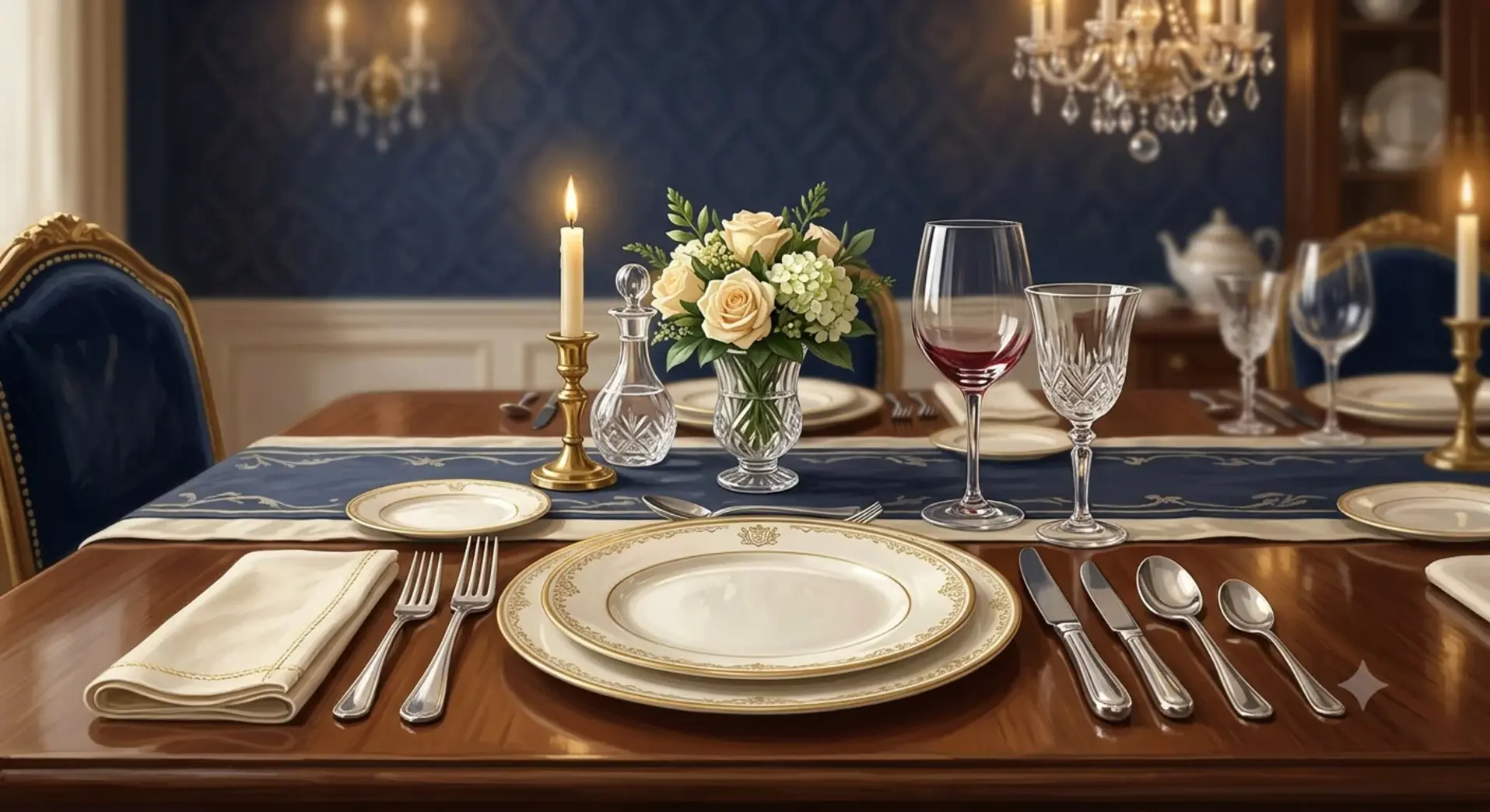
The most codified category historically: cutlery order, napkin placement, when to start eating, and how to handle a formal multi-course meal without drawing attention to yourself for the wrong reasons.
Digital and Phone Etiquette
A newer category covering things like not checking your phone during a conversation, muting yourself on video calls when not speaking, and knowing when a text is appropriate versus when a call is expected.
Wedding and Event Etiquette
Rules around RSVPs, gift-giving, appropriate dress, and guest behaviour at formal celebrations, most of which exist to avoid embarrassing the host or fellow guests.
Everyday Examples of Good it
- Replying to invitations promptly instead of leaving hosts guessing.
- Waiting for everyone to be served before starting a meal.
- Keeping your voice down and your phone silent in shared or quiet spaces.
- Sending a short thank-you message after someone helps you professionally.
- Introducing people to each other by name instead of leaving them to figure it out.
Common Etiquette Mistakes People Make
- Treating etiquette as a way to judge others rather than a way to make interactions easier for everyone.
- Assuming one culture’s rules apply everywhere, which can come across as rude in a different context.
- Confusing formality with it. Being overly stiff isn’t the goal; being appropriately considerate is.
- Ignoring digital-age situations, like leaving someone on read in a professional chat or dominating a video call.
How to Improve Your Etiquette
You don’t need a finishing-school course to get noticeably better at this. Start by observing before acting in unfamiliar settings, ask questions when you’re unsure of a specific custom instead of guessing, and default to the version of a rule that shows the most consideration for the people around you. It improves fastest through attention, not memorisation.
The Bottom Line
It is simply the practical language of consideration: a shared code that tells you how to act so the people around you feel comfortable, respected, and at ease. It changes shape depending on where you are, but the underlying goal never does. Learn the specific rules for the rooms you actually spend time in, business meetings, family dinners, weddings, video calls, and you will find that good etiquette stops feeling like a performance and starts feeling like second nature.
FAQs
What is etiquette in simple words? It’s the accepted set of rules for polite, respectful behaviour in a specific social, cultural, or professional setting.
What is the difference between it and manners? Manners are the underlying intention to be considerate; it is the specific, learned code for expressing that consideration correctly in a given situation.
How do you spell etiquette correctly? E-T-I-Q-U-E-T-T-E. It’s commonly misspelled as “eticate” or “etiquete”, so it’s worth double-checking, especially in formal writing.
What is business etiquette? The set of professional conduct norms covering communication style, punctuality, meeting behaviour, and workplace relationships.
Why is etiquette important in everyday life? It reduces social friction, builds trust quickly with people you don’t know well, and can directly affect professional and social opportunities.